
A PAT tester helps organisations keep electrical equipment safe by inspecting appliances, carrying out appropriate electrical tests, and recording the results. If you are researching how to become a PAT tester UK, the main requirement is competence rather than possession of a legally compulsory PAT licence.
Quick Overview
Becoming a PAT tester involves suitable PAT testing training, practical experience and the competence to inspect and test electrical equipment safely and appropriately.
This guide covers:
✅ How to become a PAT tester in the UK
✅ PAT testing training, qualifications and practical skills
✅ What a PAT tester certificate means
✅ How to carry out a PAT test safely and appropriately
✅ PAT testing equipment, testing frequency and legal requirements
✅ PAT tester jobs, earnings and career opportunities
✅ How to become a self-employed PAT tester and start a PAT testing business
Suitable PAT testing training, practical experience, and a sound understanding of electrical safety can support employment with testing companies, facilities management providers, or a self-employed career. This guide explains the pathway, qualifications, legal requirements, skills, and career options involved.
Quick Answer: How Do You Become a PAT Tester?
If you are asking, “How do I become a PAT tester?”, the usual route is to learn basic electrical safety principles, complete suitable PAT test training, practise formal visual inspections and appropriate electrical testing, and gain enough practical experience to work competently.
You do not have to be a qualified electrician or hold one universal PAT qualification. However, recognised and assessed training, such as City & Guilds 2377-77, can provide stronger evidence of relevant knowledge and practical skills.
If you want to become a PAT tester, focus on developing genuine competence rather than simply completing the quickest available course or obtaining a certificate.
How to Become a PAT Tester: Step-by-Step
If you are asking how do I become a PAT tester, the process can be divided into five practical stages. Following these steps can help you develop the knowledge and experience needed to work as a competent PAT tester.
1. Learn the Fundamentals of PAT Testing
Start with electrical safety. Understand plugs, cables, fuses, insulation, protective earthing, common electrical hazards, and the main classes of electrical equipment.
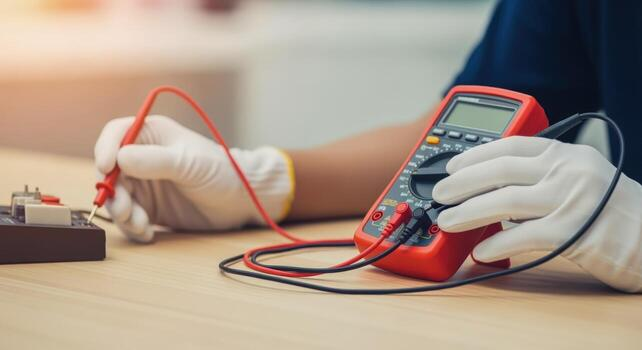
You should also understand what PAT testing is designed to achieve. It is part of a wider electrical maintenance system, not simply a process of attaching pass stickers to every appliance once a year.
2. Choose and Complete a PAT Testing Course
A suitable PAT testing course should cover formal visual inspection, equipment classification, electrical hazards, test selection, the correct use of PAT testing instruments, and interpretation of results.
Anyone considering how to train to be a PAT tester should compare short introductory training with recognised and assessed qualifications. City & Guilds 2377-77 is one current Level 3 route covering the in-service inspection and testing of electrical equipment.
If you are researching how to become a qualified PAT tester, check exactly what qualification your chosen course provides, how it is assessed, and whether it matches the type of PAT testing work you intend to undertake.
3. Develop Essential PAT Testing Skills
Learn how to identify faults and decide which tests are appropriate for different types of equipment.
Competence involves understanding why a test is performed and what the result means. Simply pressing an automatic test button is not enough if you cannot recognise incorrect equipment classification, an abnormal reading, or a situation that requires further investigation.
4. Gain Hands-On PAT Testing Experience
Practical experience is particularly important before testing unfamiliar equipment independently.
This is especially relevant if you are researching how to become a PAT tester online. Online learning can teach valuable theory, but watching demonstrations cannot, by itself, establish practical competence with real appliances and testing instruments.
A person who wants to become a PAT tester should therefore combine online or classroom learning with appropriate hands-on experience.
5. Continue Your Professional Development
Once you become a PAT tester, continue learning and developing your skills.
Follow current HSE guidance, use the current IET Code of Practice, and remain familiar with your testing equipment manufacturer’s instructions. If your work becomes more complex, additional electrical training may be appropriate.
What Is PAT Testing?
PAT testing is the common term for examining electrical appliances and equipment to check whether they remain safe to use. It normally involves a formal visual inspection and, where appropriate, electrical testing. The extent and frequency of inspection and testing should reflect the equipment, environment, and level of risk rather than follow an automatic annual schedule.
A competent PAT tester should understand that PAT testing is part of a wider electrical maintenance system and that different equipment may require different inspection and testing approaches.
Why Is PAT Testing Carried Out?
Equipment can become unsafe because of wear and tear, frequent movement, damaged cables, poor repairs, overheating, or exposure to harsh conditions.
Inspection and testing can help identify defects before they contribute to risks such as electric shock, burns, fire, or equipment failure. Suitable PAT testing training can help individuals develop the knowledge and skills needed to identify these potential hazards.
What Are the PAT Testing Requirements?
There is no blanket UK rule stating that every portable appliance must receive an annual PAT test.
Dutyholders need to maintain electrical equipment appropriately, while people carrying out technical testing must have sufficient knowledge, training, and experience for the task.
If you are considering a PAT testing course, look for training that explains electrical safety, equipment classifications, visual inspection, appropriate testing methods, and the interpretation of results. PAT test training should also help learners understand the limits of their competence and when further technical expertise may be required.
A recognised PAT testing qualification can provide evidence of structured learning and assessment, although a qualification alone does not automatically demonstrate competence for every type of equipment or testing situation.
How Often Should You PAT Test?
Testing frequency should be based on risk rather than a fixed annual timetable. Factors such as how equipment is used, where it is operated, its condition, and its previous inspection and testing history should all be considered.
| Factor | Likely effect on maintenance |
| Handheld or frequently moved equipment | Usually requires closer monitoring |
| Harsh, wet, or dusty environment | May justify more frequent inspection or testing |
| Low-risk office equipment | May require less frequent formal testing |
| Previous failures or damage | Can justify shorter intervals |
| Equipment that is rarely moved and well protected | Longer intervals may be reasonable |
The IET’s current approach deliberately avoids treating one testing interval as appropriate for every workplace. A competent PAT tester should therefore consider the specific risks and circumstances when determining an appropriate inspection and testing regime.
What Does a PAT Tester Do?
A PAT tester examines electrical equipment, carries out suitable tests where required, evaluates the results, and records whether the equipment appears safe for continued use.
What Is the Role of a PAT Tester?
Typical responsibilities include checking plugs, cables, and equipment casings, identifying equipment classes, selecting appropriate tests, operating PAT testing instruments, recording results, and identifying defective items that require repair, further investigation, or removal from service.
A competent PAT tester should understand the equipment being tested, select appropriate testing methods, and recognise when a result requires further technical investigation.
Who Can Carry Out PAT Testing?
PAT testing does not universally have to be performed by a qualified electrician.
The HSE recognises that straightforward pass/fail testing can sometimes be performed by appropriately trained employees. More sophisticated testing instruments can produce readings that require greater electrical knowledge and competent interpretation.

If you are asking, “Do you need to be qualified to PAT test?”, there is no single qualification that every person carrying out PAT testing must hold. However, anyone undertaking technical testing should have the appropriate knowledge, training, practical skills, and experience for the work involved.
What Makes Someone Competent at PAT Testing?
Competence depends on a suitable combination of knowledge, training, practical skills, and experience.
A PAT tester certificate may record that someone has completed a particular training course, but possession of a certificate does not automatically establish competence for every appliance, testing procedure, or working environment.
Likewise, a PAT testing certificate should be considered in the context of what was taught and assessed. Anyone choosing training should check the course content, assessment process, and level of practical instruction before relying on a certificate as evidence of competence.
Who Is Responsible for Ensuring Equipment Safety?
Employers and other relevant dutyholders remain responsible for maintaining electrical equipment safely.
Hiring an external testing contractor or PAT tester does not necessarily transfer every health and safety obligation away from the organisation. The dutyholder should ensure that appropriate maintenance arrangements are in place and that anyone carrying out testing is suitably competent.
Do You Need a Qualification to Become a PAT Tester?
A specific PAT-testing qualification is not legally compulsory for every person carrying out testing. The legal focus is on competence and the safe maintenance of electrical equipment.
Do You Need a PAT Testing Qualification?
The common question, “Do you need to be qualified to PAT test?”, therefore requires some context.
There is no universal statutory PAT licence. However, a recognised PAT testing qualification can provide evidence that relevant knowledge and practical abilities have been formally assessed.
What Training Do You Need to Become a PAT Tester?
Good PAT test training should cover electrical hazards, equipment classifications, formal visual inspection, electrical testing instruments, result interpretation, and accurate record-keeping.
If you are researching how to become a qualified PAT tester, check whether the programme actually leads to a recognised and assessed qualification.
Likewise, anyone asking how to become a certified PAT tester should establish exactly who issues the certificate and what was assessed. A provider-issued PAT tester certificate confirming course completion is not automatically a regulated qualification or proof of competence for every type of testing work.
A suitable PAT test training programme should also help you understand how to select appropriate tests and recognise when equipment requires further investigation.
How Long Does It Take to Become a PAT Tester?
Introductory courses can be completed relatively quickly, but there is no universal timeframe for becoming competent.
Someone with previous electrical experience may progress faster than someone starting from the beginning. Practical ability matters as much as course duration, particularly if you plan to work independently.
If you are considering how to become a self-employed PAT tester, gaining sufficient hands-on experience is particularly important before offering testing services to clients. You should be confident in inspecting equipment, carrying out appropriate tests, interpreting results, and recognising when a task falls outside your competence.
PAT Testing Legislation and Legal Requirements
UK workplace law requires electrical equipment to be maintained so that it does not give rise to danger. It does not create a universal statutory requirement for annual PAT testing.
Anyone looking to become a PAT tester should understand that PAT testing forms part of a wider electrical safety and maintenance system rather than being a legal requirement to test every appliance annually.
What Does PAT Testing Legislation Say?
In Great Britain, the Electricity at Work Regulations 1989 provide the principal workplace electrical safety framework.
Northern Ireland has a separate framework under the Electricity at Work Regulations (Northern Ireland) 1991.
Understanding the relevant legislation is an important part of how to train to be a PAT tester, particularly for anyone intending to carry out testing professionally.
What Are the Legal Obligations for Electrical Equipment Safety?
Dutyholders should manage electrical equipment according to risk.
A suitable maintenance system can include user checks, formal visual inspections, electrical testing where necessary, repairs, and the replacement of unsafe equipment.
A competent PAT tester should understand that testing is only one part of this wider approach and should work within the limits of their knowledge, training, and experience.
What Are the Penalties for Not Meeting Legal Obligations?
Failure to comply with applicable health and safety duties can result in enforcement action and, for serious breaches, prosecution.
Keeping a folder of PAT testing records or certificates does not prove compliance if dangerous equipment is otherwise being inadequately managed.
What Skills Do You Need to Become a PAT Tester?
A PAT tester needs electrical safety knowledge, practical inspection and testing skills, attention to detail, risk awareness, and accurate record-keeping abilities.
Electrical Safety Knowledge
Understand electric shock hazards, earthing, insulation, protective devices, and equipment classes.
PAT Testing and Inspection Skills
You should be able to carry out careful visual inspections, select appropriate electrical tests, use testing equipment correctly, and recognise unusual or unsafe results.
Risk Assessment and Attention to Detail
Small defects can be significant. Damaged insulation, strained cables, cracked casings, overheating, or inappropriate repairs should not be overlooked.
Developing these skills is an important part of learning how to become a PAT tester online or through practical training. Online learning can provide useful theoretical knowledge, but practical experience is also important for developing competence.
Record-Keeping and Reporting Skills
Accurate records help clients manage electrical equipment and review future maintenance intervals. Professional testers should clearly document identification details, test results, defects, and any required action.
If you are researching how to become a PAT tester online, make sure your chosen training provides appropriate coverage of electrical safety, inspection, testing, result interpretation, and record-keeping, as well as opportunities to develop practical competence.
How to Choose the Right PAT Testing Course
Choose a PAT testing course that covers electrical safety, practical inspection and testing, assessment, equipment use, and the level of competence needed for your intended work.
What Should a PAT Testing Course Cover?
Look for current course content covering electrical safety, appliance construction, equipment classes, formal visual inspection, appropriate testing methods, result interpretation, and accurate reporting.
If you want to become a PAT tester, choose training that provides a solid understanding of both the theory and practical aspects of PAT testing.
What Practical Experience Should a PAT Course Provide?
Career-focused learning should include meaningful practical activity.
Online theory can provide useful preparation, but practical work with actual or representative appliances and suitable testing instruments is important before undertaking independent professional testing.
Anyone researching how to train to be a PAT tester should therefore consider whether a course provides opportunities to develop and demonstrate practical skills, rather than focusing solely on online theory.
What Should You Look for When Comparing PAT Testing Courses?
Check the training provider, learning format, practical component, assessment process, and exact credential awarded.
Do not assume that terms such as “certified”, “advanced”, or “professional” mean that a course leads to a regulated qualification. Check what the course actually assesses and what the certificate represents.
If you are considering how to become a PAT tester online, confirm whether the online programme includes any practical training or assessment and whether additional hands-on experience is recommended.
How to Carry Out a PAT Test
This section provides a career-level overview rather than a definitive testing procedure. For detailed practical instructions, use a dedicated How to Perform a PAT Test guide.
Conduct a Formal Visual Inspection
Inspect accessible areas such as plugs, flexible cables, strain relief, and equipment casings for damage, poor repairs, overheating, or other visible defects.
A competent PAT tester should identify obvious faults before deciding whether further electrical testing is appropriate.
Carry Out Combined Inspection and Testing
Identify the equipment class and select suitable electrical tests. Different appliance constructions require different testing considerations, so the same testing approach should not be applied blindly to every item.
When Is Specialised Testing Required?
Complex equipment, unusual appliances, or results requiring advanced interpretation may require manufacturer guidance or assessment by someone with greater electrical competence.
A PAT tester should recognise the limits of their own knowledge and experience and seek appropriate technical support where necessary.
What Are PAT Testing Best Practices?
Use appropriate equipment, understand each test, follow safe procedures, interpret results correctly, and record findings accurately rather than relying solely on labels or automated pass/fail indications.
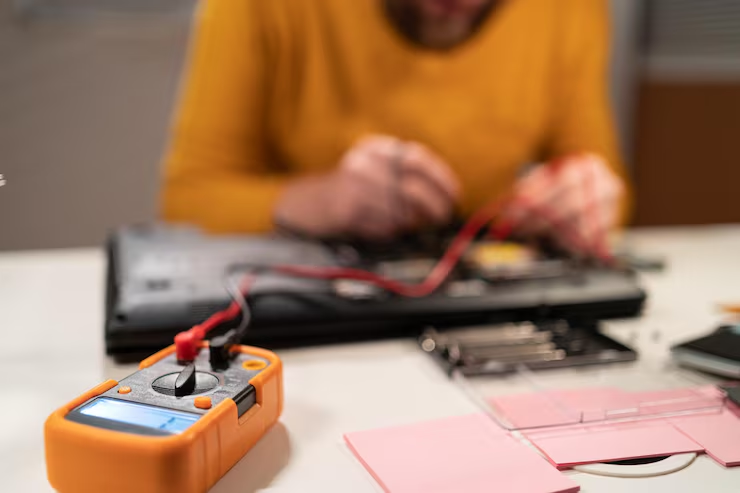
What Are Electrical Classes in PAT Testing?
Class I equipment normally uses protective earthing, while Class II equipment relies on double or reinforced insulation. Class III equipment operates at safety extra-low voltage.
Understanding these distinctions helps a PAT tester determine the appropriate inspection and testing approach for different types of equipment.
Safety Switch Testing
RCDs and other protective devices can have separate testing requirements. PAT testing should not be treated as a substitute for the inspection and testing of a fixed electrical installation.
What Equipment Do You Need for PAT Testing?
A professional PAT tester typically needs suitable PAT-testing equipment, basic visual inspection tools, and a dependable system for recording equipment details and test results.
Simple pass/fail testers can suit straightforward work. More advanced instruments display readings that require interpretation, while downloadable testers can simplify record management for larger commercial contracts.
If you want to become a PAT tester, choose equipment according to your level of competence, the type of work you intend to undertake, and your expected workload rather than price alone.
Anyone researching how to train to be a PAT tester should also learn how to use their chosen testing equipment correctly and understand its limitations.
If you are considering how to become a PAT tester online, remember that online training can explain how testing equipment works, but practical experience is important for developing confidence in using instruments safely and correctly.
How Much Can a PAT Tester Earn?
PAT tester earnings vary depending on experience, location, employer, workload, additional skills, and whether you work as an employee or self-employed.
What Is the Average PAT Tester Salary?
Indeed reported an average UK PAT tester base salary of approximately £28,464 per year in August 2026.
This should be treated as indicative market information rather than guaranteed earnings. Actual pay can vary depending on experience, location, employer, responsibilities, and the type of work involved.
What Factors Affect PAT Tester Earnings?
Location, experience, employer, travel requirements, workload, and additional electrical or facilities management capabilities can affect employee pay.
Self-employed earnings can also depend on pricing, client volume, travel, insurance, equipment costs, and other operating expenses.
Developing additional relevant skills can help a PAT tester access a broader range of roles and potentially improve long-term earning opportunities.
How to Find PAT Testing Jobs
Find PAT testing job opportunities with specialist testing companies, electrical contractors, facilities management providers and organisations that manage large quantities of electrical equipment.
Where Can PAT Testers Find Work?
Potential employers include specialist testing businesses, electrical contractors, facilities management providers, and organisations maintaining large inventories of electrical equipment.
For people looking to become a PAT tester, gaining suitable training and practical experience can help demonstrate that they have the knowledge and skills required for the type of work they intend to undertake.
Is PAT Testing a Good Full-Time Career?
PAT testing can provide a full-time career, although many workers combine it with wider maintenance, electrical safety, or facilities management responsibilities.
Developing complementary skills can broaden future opportunities and provide greater career flexibility for a PAT tester.
How to Start a PAT Testing Business
Learn the key steps to become a self-employed PAT tester, from gaining the right competence and equipment to finding clients and managing the commercial side of your business.
What Do You Need to Start a PAT Testing Business?
You need suitable competence, appropriate PAT testing equipment, professional record-keeping systems, relevant insurance, and a workable business model.
If you want to become a PAT tester and work independently, make sure your knowledge, practical skills, and equipment are appropriate for the type of testing you intend to undertake.
Working as a Self-Employed PAT Tester
Anyone researching how to become a self-employed PAT tester should prepare for both the technical and commercial responsibilities involved.
You may need to quote for work, arrange appointments, travel between sites, invoice clients, maintain testing equipment, manage customer relationships, and keep accurate records.
Developing your practical skills is particularly important before offering services independently. If you are learning how to train to be a PAT tester, consider training that combines electrical-safety knowledge with practical inspection and testing experience.
Finding Your First PAT Testing Clients
Potential clients can include local businesses, landlords, offices, shops, and organisations using significant amounts of electrical equipment.
Avoid marketing your service by falsely claiming that every appliance legally needs annual testing. Providing accurate, risk-based advice is more professional and can help build credible, long-term client relationships.
Continue Your Professional Development
Why Is Continuing Professional Development Important?
Equipment technology and industry guidance change, while experience can expose testers to increasingly complex situations.
Continued learning helps you recognise both what you can safely test and when you need specialist technical support.
How Can PAT Testers Keep Their Knowledge Up to Date?
Follow current HSE guidance, use the current IET Code of Practice, maintain familiarity with your testing instruments, and undertake additional electrical training when appropriate.
For anyone considering how to become a PAT tester online, remember that online study can provide valuable theoretical knowledge, but practical experience remains important for developing occupational competence.
Why Choose Our PAT Testing Training?
Training Arena currently provides flexible online professional development courses, with most of its learning described as self-paced. Its wider catalogue includes a Health and Safety in the Workplace course covering electrical safety, engineering safety, work-equipment hazards, and electrical hazards, with a certificate of completion.
Training Arena’s website currently states at provider level that its courses are accredited by CPD and IOAS and advertises PDF certificates. It also displays an average rating of 4.8 from 68 reviews across the platform.
However, a dedicated current Training Arena PAT-testing course could not be independently verified while preparing this guide.
Anyone specifically seeking professional PAT training should therefore confirm the current course, syllabus, assessment, practical component, and certificate before enrolling. Provider-level accreditation claims should not be treated as proof that a PAT course leads to City & Guilds 2377-77 or another regulated qualification.
Start Your PAT Testing Career Today
A credible PAT-testing career begins with a proper understanding of electrical safety.
Build your fundamentals, choose suitable training, and gain practical experience before working independently. If employers or clients expect formal evidence of your ability, consider a recognised assessed qualification alongside hands-on development.
If you are researching how to become a PAT tester online, remember that online study can provide valuable theoretical knowledge, but practical experience is also important for developing occupational competence.
The goal is not simply to receive a PAT tester certificate. It is to become a PAT tester who understands what is being inspected, why each test is used, and when a situation requires more experienced electrical support.
Frequently Asked Questions About Becoming a PAT Tester
Can Anyone Become a PAT Tester?
Many people can train to become PAT testers, and an existing electrical career is not always required. However, a PAT tester needs sufficient training, knowledge, and practical experience for the work undertaken. More complex testing requires a higher level of competence.
Do I Need to Be an Electrician to Become a PAT Tester?
No. The HSE does not require every PAT tester to be a qualified electrician. Properly trained people can perform suitable inspection and testing, although equipment or results requiring greater technical interpretation demand correspondingly stronger electrical knowledge and experience.
Do I Need a PAT Testing Qualification?
No single PAT qualification is legally compulsory for every tester. Competence is the main requirement.
A recognised and assessed qualification such as City & Guilds 2377-77 can nevertheless provide useful evidence of relevant knowledge and practical assessment.
How Long Does It Take to Become a PAT Tester?
There is no fixed period. Introductory study can be completed relatively quickly, but developing practical competence may take longer.
Existing electrical knowledge, the quality of your training, the amount of practical experience, and the complexity of the appliances you intend to test can all influence how long it takes to become competent.
Anyone considering how to train to be a PAT tester should therefore look beyond course duration and consider the quality of both theoretical and practical training.
How Much Can a PAT Tester Earn?
Indeed reported average UK base pay of about £28,464 per year in August 2026. Actual earnings vary by location, employer, experience, and responsibilities.
Self-employed income can differ further according to workload, pricing, client numbers, travel, and operating costs.
Can PAT Testing Be a Full-Time Career?
Yes. Specialist testing companies, contractors, and facilities management businesses can employ dedicated PAT testers.
Some workers combine PAT testing with electrical, maintenance, or compliance responsibilities, which may broaden career opportunities and provide greater career flexibility.
Can I Start a PAT Testing Business?
Yes, provided you are competent to provide the service safely. You will also need suitable equipment, insurance, reliable record systems, and basic business processes.
Self-employed testers should provide accurate, risk-based advice rather than making misleading claims about compulsory annual testing.
How Often Should Electrical Equipment Be PAT Tested?
There is no universal legal testing interval. Frequency should reflect equipment type, construction, environment, usage, previous findings, and the likelihood of damage.
High-risk equipment may need more frequent attention than low-risk office appliances. The appropriate approach should be based on the circumstances and level of risk.

Key Takeaways
- PAT testing combines inspection and, where appropriate, electrical testing to help keep equipment safe.
- A PAT tester needs appropriate knowledge, practical skills, and experience.
- UK law does not require one specific PAT qualification for every tester.
- The usual route involves electrical-safety learning, suitable PAT test training, practical experience, and ongoing professional development.
- A short PAT testing certificate does not automatically prove occupational competence.
- City & Guilds 2377-77 is a current recognised qualification relevant to in-service inspection and testing.
- PAT testing can support both employed and self-employed career routes.
- Testing intervals should be risk-based rather than automatically annual.
- Continued professional development helps testers maintain safe and current working practices.
- If you want to become a PAT tester, focus on developing genuine competence rather than simply obtaining a certificate.