

Learning how to reheat food correctly is about more than restoring warmth or improving texture. Leftovers must be heated thoroughly enough to reduce the risk from harmful bacteria that may have survived, multiplied or entered the food after its original cooking.
For UK households, the clearest rule is to reheat food until it is steaming hot throughout. A clean food thermometer reading of approximately 75°C at the centre is a useful practical check, although different validated time-and-temperature combinations may apply in commercial kitchens.
Safe reheating also depends on what happened before the food reached the appliance. Leftovers should normally be refrigerated within two hours, eaten within 48 hours or frozen, and reheated only once. Rice should generally be kept for no longer than 24 hours.
This guide explains how to use a microwave, hob, oven, air fryer, toaster oven, OTG and Instant Pot safely. It also covers hot holding, Chinese takeaway leftovers and microwave-free reheating.
Can You Reheat Food?
Yes, most properly cooked leftovers can be reheated safely.
Before reheating, confirm that the food:
- was originally cooked thoroughly;
- was refrigerated within two hours;
- remains within its recommended storage period;
- has not already been reheated;
- has not passed its use-by date;
- was protected from contamination.
Ordinary refrigerated leftovers should normally be used within 48 hours. They can also be eaten cold during that period if they were cooked, cooled and stored correctly. Once you choose to reheat them, however, they must become steaming hot throughout rather than merely warm.
Food that was left at room temperature overnight, stored for too long or repeatedly warmed and cooled should be discarded. Heating cannot reliably reverse every effect of unsafe storage.
How to Reheat Food Safely
The basic process is consistent across most foods and appliances, whether you are reheating a homemade meal, takeaway or stored leftovers.
First, remove only the amount you intend to eat. Reheating one portion avoids exposing the whole batch to repeated temperature changes and unnecessary handling.
Divide dense or large foods into smaller portions. Lasagne, casseroles, meat joints and large chicken pieces may become hot outside while remaining cold in the middle.
Add moisture when reheating food that can dry out. A splash of water, stock, milk or sauce may help rice, pasta, curries and cooked meat heat more evenly while retaining moisture.
Stir liquids and mixed dishes, and turn solid foods. Microwaves in particular can produce very hot edges and cold pockets in the centre. The FSA recommends stirring or turning during heating and following any standing-time instructions.
Finally, check the thickest or coldest part. Steam rising from one corner is not enough; the complete portion must be hot throughout.
What Temperature Should You Reheat Food To?
For household leftovers, reheat until the food is steaming hot all the way through.
When using a clean thermometer, approximately 75°C at the centre is a useful practical target. Insert the probe into the thickest or coldest part without touching a tray, bone or container.
For UK food businesses, accepted time-and-temperature combinations include:
| Internal food temperature | Minimum time |
| 70°C | 2 minutes |
| 75°C | 30 seconds |
| 80°C | 6 seconds |
Scottish CookSafe procedures generally require reheated food to reach 82°C, although validated alternatives such as 70°C for two minutes may be used when the higher temperature would damage the food. Businesses must follow the food-safety system applicable to their location and operation.
The appliance setting is not the same as the food’s internal temperature. An oven set to 180°C does not guarantee that the middle of a casserole has reached 75°C.
How Many Times Can You Reheat Food?
The Food Standards Agency advises reheating leftovers only once.
Repeatedly moving food from cold to warm and back to cold gives bacteria more opportunities to multiply. Each cycle also creates further chances for contamination during serving, handling and storage.
A practical solution is to divide food into individual portions before refrigerating or freezing it. Reheat one portion and leave the remaining food cold.
Do not reheat a whole pan, eat some, refrigerate the remainder and plan to heat it again the following day. Uneaten reheated food should normally be discarded.
Reheating Food in a Microwave
The microwave is best for soups, curries, stews, sauces, rice and other moist dishes. It is usually the fastest reheating method, but it can heat unevenly.
For anyone researching how to reheat food in microwave, use this method:
- Transfer one portion to a microwave-safe dish.
- Break up dense clumps and spread the food evenly.
- Add a small amount of water, stock or sauce when needed.
- Cover loosely with a vented microwave-safe lid.
- Heat in short stages.
- Stop halfway through and stir or turn the food.
- Observe any recommended standing time.
- Stir again and check the centre.
Standing time is part of the reheating process because heat continues moving from hotter areas into colder ones after the microwave stops.
Do not judge readiness from the temperature of the plate or bowl. The container may be extremely hot while the centre of the meal remains cool.
Reheating Food on the Stove or Hob
The hob works particularly well for soups, sauces, curries, pasta, rice dishes, stews and shredded meat.
People looking for how to reheat food on stove should use low-to-medium heat rather than turning the burner immediately to its highest setting.
Place the food in a saucepan or frying pan and add a small quantity of water, stock, oil or sauce if needed. Covering the pan traps steam, but how to reheat food safely the contents must still be stirred frequently.
Move food from the outside towards the centre and scrape across the base. Continue until every part is steaming hot and evenly heated.
A skillet is useful for noodles, fried rice, sliced meat, vegetables, pizza and other foods that benefit from direct heat. Turn or toss them frequently so that the surface does not burn before the centre becomes hot.
Reheating Food in the Oven
The oven is best for casseroles, lasagne, pies, baked pasta, roast meat, pizza and larger quantities.
If you are searching for how to reheat food in oven, begin with approximately 150°C–175°C for many dishes, unless the packaging or recipe provides different instructions.
Place the leftovers in an oven-safe dish. Add moisture to foods that how to reheat food safely may dry out and cover them with foil during most of the reheating period.
Remove the foil during the final few minutes when you want to restore crispness or browning.
Approximate reheating times may range from 10 minutes for a small pizza portion to 30 minutes or more for a deep casserole. These are starting points, not safety guarantees. Check the centre before serving.
Large dishes should be divided into smaller portions. A bubbling edge does not prove that the middle of a lasagne or pie filling is hot.
How to Reheat Food in an Air Fryer
Air fryers are particularly effective for foods that should remain crisp, including chips, pizza, fried chicken, roast potatoes, pastries and spring rolls.
For how to reheat food in an air fryer, approximately 160°C–180°C is a useful starting range for many refrigerated foods.
Arrange pieces in one layer and leave space for hot air to circulate. Turn the food or shake the basket halfway through.
Typical starting times include:
- pizza: 3–5 minutes;
- chips: 3–6 minutes;
- spring rolls: 4–7 minutes;
- fried chicken: 6–10 minutes;
- roast potatoes: 5–8 minutes.
Appliances and portion sizes vary, so check the middle rather than relying on the timer. Thick chicken pieces and filled pastries may remain cold even after the how to reheat food safely outside becomes crisp.
Do not pour soups, curries or loose sauces directly into an air-fryer basket. They require an approved heat-resistant container, and the hob or microwave is usually more practical.
How to Reheat Food in a Toaster Oven
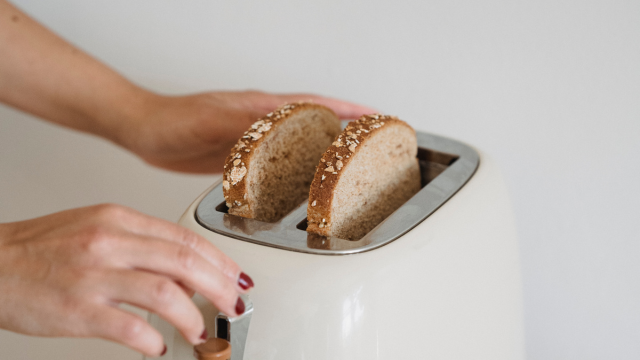
When learning how to reheat food in a toaster oven, use it for:
- pizza slices;
- pastries;
- sandwiches;
- roasted vegetables;
- small pies;
- breaded foods;
- individual portions of baked pasta.
Set it to approximately 160°C–180°C, unless the appliance or food instructions state otherwise. Cover moist food and turn or rotate it if the toaster oven heats unevenly.
Because the heating elements are close to the food, surfaces may brown rapidly. Check the centre before serving.
How to Reheat Food in an OTG
An OTG, or oven-toaster-grill, works in a similar way to a compact conventional oven.
For how to reheat food in OTG, preheat the appliance if its instructions recommend doing so. Place the food in an OTG-safe metal, ceramic or how to reheat food safely heat-resistant glass dish.
Use approximately 150°C–175°C for most baked or roasted leftovers. Cover casseroles and pasta dishes with foil, then uncover them briefly when browning is required.
Rotate the tray if the OTG has noticeable hot spots. Keep food away from the upper element when the surface could burn before the centre becomes hot.
Plastic takeaway containers, cling film and polystyrene must not be placed inside an OTG.
How to Reheat Food in an Instant Pot
An Instant Pot or similar multicooker can reheat soups, stews, curries, rice and other moist foods, but the correct programme depends on the model.
For how to reheat food in Instant Pot, the Sauté function is generally the most practical option for soups and sauces. Place the food in the inner pot, add a little liquid if necessary and stir frequently until it is steaming hot.
A Steam programme may work for dumplings, rice or suitable food placed in a heat-resistant container on a trivet. Follow the manufacturer’s minimum-liquid and pressure-release instructions.
Instant Pot models include functions such as Sauté, Steam and Keep Warm, but programmes vary. Keep Warm is designed to maintain food after cooking rather than act as the main method for rapidly reheating cold leftovers. This is an inference from the manufacturer’s description of Keep Warm and how to reheat food safely official food-safety guidance distinguishing reheating from hot holding.
Do not fill the pressure cooker above its stated limit, and never improvise pressure-cooking times for containers or ingredients that are unsuitable for pressure cooking.
How to Reheat Food Without a Microwave
A microwave is convenient but not essential.
The best alternative depends on the food:
- use a saucepan for soup, curry and sauce;
- use a skillet for noodles, fried rice and sliced meat;
- use an oven for casseroles, pies and larger portions;
- use an air fryer for crisp or fried food;
- use a steamer for dumplings, rice and vegetables;
- use a toaster oven or OTG for small baked portions.
When deciding how to reheat food without a microwave, select a method that allows the food to heat rapidly and evenly. A radiator, room heater, coffee-machine hotplate or similar improvised source is not an appropriate food-reheating appliance.
Steam can be particularly useful for rice, vegetables, dumplings and soft buns. Place the food in a suitable dish or basket above simmering water, cover it and continue until its centre is steaming hot.
How to Reheat Food for Hot Holding
Reheating and hot holding are separate stages.
For how to reheat food for hot holding, first use proper cooking equipment to make the food thoroughly hot. Do not place chilled leftovers directly into a bain-marie, soup kettle or how to reheat food safely warming cabinet and expect the equipment to reheat them safely.
Once the food has been thoroughly reheated, transfer it promptly to preheated hot-holding equipment and maintain it at 63°C or above.
Official business guidance permits limited exceptions when hot food is held below 63°C, but strict time controls apply. Food businesses should follow their documented HACCP-based procedures rather than treating the exception as routine.
Use a cleaned and disinfected probe thermometer to check the centre of reheated food and how to reheat food safely the temperature of hot-held food.
Golden Rules for Safe Reheating
Refrigerate leftovers promptly
Cool food and refrigerate it within two hours. Divide large quantities between shallow containers so that the centre loses heat more rapidly.
Keep the fridge between approximately 0°C and 5°C and use ordinary leftovers within two days.
Reheat only what you need
Portion the food while it is cold. This prevents the whole batch from being repeatedly warmed and how to reheat food safely refrigerated.
Follow the label
Packaged food may include specific instructions about covering, stirring, standing, defrosting or reheating from frozen. Those tested instructions should take priority over general timings.
Use suitable containers
Use containers approved for the intended appliance. Microwave-safe plastic is not automatically oven-safe or air-fryer-safe.
Transfer food from polystyrene, damaged takeaway plastic or cardboard packaging unless the manufacturer expressly permits reheating in it.
Check the centre
A hot surface, bubbling edge or warm plate does not confirm that the complete portion is safe.
Eat reheated food promptly
Do not leave it sitting lukewarm. Either eat leftovers cold after safe refrigeration or reheat them thoroughly.
Be Especially Careful with Rice
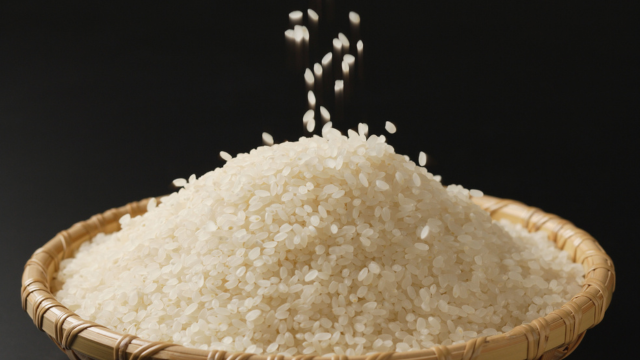
Cooked rice can contain bacterial spores that survive cooking. If rice is left at room temperature or cooled slowly, bacteria may grow and produce toxins that reheating may not remove.
Cool rice as quickly as possible, ideally within one hour. Refrigerate it promptly, use it within 24 hours and reheat it only once.
Takeaway rice requires extra caution. Some businesses may cook, cool and reheat rice before serving it. If you cannot establish how the rice was handled, how to reheat food safely it is best not to reheat it again.
Can You Reheat Chinese Food?
Yes, most safely stored Chinese takeaway dishes can be reheated once.
The best method depends on the dish:
- use an air fryer or oven for spring rolls, ribs and battered chicken;
- use a hob or microwave for curries, black bean sauce and other saucy dishes;
- use a skillet for noodles;
- use steam for dumplings and bao buns.
Chinese leftovers should be refrigerated promptly and used within the ordinary two-day limit. Rice should be treated separately and used within 24 hours when its preparation history is known.
Do not reheat food in the original plastic or how to reheat food safely cardboard box unless it is clearly marked as suitable for that appliance.
Reheating Frozen Leftovers
Frozen leftovers should preferably be defrosted in the fridge. Once fully defrosted, they should normally be used within 24 hours.
Some commercially prepared foods can be heated directly from frozen. Follow the packet instructions because the required time will be longer than for chilled food.
Do not leave frozen food thawing on a worktop for several hours. The surface may enter the bacterial danger zone while the centre remains frozen.
Common Reheating Mistakes
One common mistake is using the same fixed time for every meal. A two-minute microwave routine cannot account for differences in appliance power, food density and portion size.
Another is reheating large pieces without cutting or rearranging them. Smaller portions allow heat to reach the middle more efficiently.
Overcrowding an air fryer or pan also causes uneven heating. Pieces may remain cool where they overlap.
People sometimes use hot-holding equipment, slow cookers or how to reheat food safely Keep Warm settings to bring cold food gradually up to temperature. Reheating should instead be completed rapidly using appropriate cooking equipment.
Finally, smell is not a reliable safety test. Food containing harmful microorganisms may look and smell normal.
Frequently Asked Questions
Can you reheat food?
Yes. Properly cooked and stored leftovers can generally be reheated once until steaming hot throughout.
What temp should you reheat food to?
For households, ensure the complete portion is steaming hot. Approximately 75°C at the centre is a useful practical thermometer target.
How many times can you reheat food?
Only once under Food Standards Agency household guidance.
How do you reheat food without a microwave?
Use a hob, oven, skillet, air fryer, toaster oven, OTG, steamer or suitable multicooker function.
Can you reheat food in an air fryer?
Yes. Air fryers work particularly well for pizza, chips, fried chicken, pastries and other foods that benefit from a crisp surface.
Can you reheat Chinese food?
Yes, provided it was refrigerated promptly and has not already been reheated. Treat takeaway rice with extra caution because its earlier preparation history may be unknown.
Can you eat leftovers cold?
Yes, when they were cooked thoroughly, refrigerated within two hours and how to reheat food safely remain within their safe storage period.
Can you put reheated food back in the fridge?
The safer method is to reheat only what you intend to eat and discard any uneaten reheated portion.

Conclusion
Understanding how to reheat food safely requires attention to storage, temperature, appliance choice and portion control.
For household leftovers, make the food steaming hot throughout. Approximately 75°C at the centre is a useful practical benchmark, but commercial standards may use different validated temperature-and-time combinations.
Use the microwave for moist meals, the hob for sauces and curries, the oven for larger dishes, and the air fryer for crispy foods. A toaster oven, OTG, steamer or Instant Pot can also work when used correctly.
Refrigerate leftovers within two hours, use ordinary leftovers within 48 hours, treat rice within the stricter 24-hour limit and reheat each portion only once.
When food is intended for hot holding, reheat it properly first and then maintain it at 63°C or above. Safe reheating is not simply about making food pleasant to eat—it is about controlling the complete journey from cooking and cooling to storage and service.