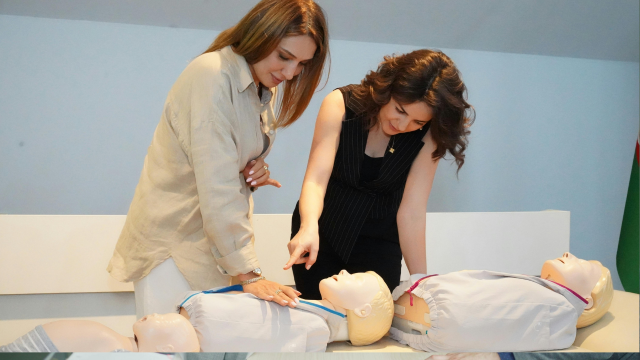

First aid can make an immediate difference when somebody is injured or suddenly becomes ill at work. However, effective workplace provision involves more than keeping a box of dressings in a cupboard. Employers need appropriate arrangements, suitable equipment and people who know how to respond within the limits of their training.
For anyone comparing first aid training courses UK providers offer, the right starting point is the workplace itself. A small office may have very different requirements from a warehouse, construction site, factory or remote field operation. UK workplace rules therefore use a needs-based approach rather than prescribing the same number or type of first aider for every organisation.
This guide explains current workplace first aid requirements, the difference between Emergency First Aid at Work and First Aid at Work, essential practical skills, certification, equipment and possible career-development routes. It also explains where online emergency response training can support learning and where practical assessment remains essential.
What Are First Aid Training Courses and Why Are They Important?
First aid training teaches people how to recognise an emergency, provide appropriate immediate assistance and obtain professional medical help when necessary. These programmes develop basic emergency care, response and safety skills.
The aim is not to turn employees into doctors, nurses or paramedics. A workplace first aider normally provides initial support within their competence until the person recovers sufficiently, the situation is otherwise resolved or qualified medical professionals take over.
Depending on the level of training, learners may practise how to:
- assess an emergency safely;
- respond to an unresponsive casualty;
- perform cardiopulmonary resuscitation;
- use an automated external defibrillator;
- respond to choking;
- control significant bleeding;
- manage selected injuries and illnesses; and
- communicate effectively with emergency services.
Practical ability is especially important. Someone can understand theoretically that chest compressions are required during cardiac arrest without being able to perform them correctly under pressure. Similarly, watching a video demonstrating bandaging or casualty assessment does not establish practical competence.
That is why genuine workplace first-aider training normally combines knowledge with practical activity, skills practice and assessment. First aid also needs to match the working environment.
An office may primarily require preparation for sudden illness, falls or minor injuries. A workshop containing machinery and sharp equipment may present risks of serious wounds. Remote workers may be much farther from ambulance services.
The appropriate course should therefore follow the organisation’s first-aid needs assessment rather than the employer choosing a certificate simply because it is inexpensive or convenient.
Why First Aid Skills Are Important for Workplace Safety in the UK
Employers in Great Britain have duties under the Health and Safety (First-Aid) Regulations 1981 to make adequate and appropriate provision for employees who become injured or ill at work.
At a basic level, HSE expects workplace first aid to have suitable first-aid arrangements, including an appropriately stocked kit and somebody responsible for arrangements. Whether trained first aiders are required depends on the needs assessment.
Northern Ireland has its own 1982 First-Aid Regulations, administered by HSENI. Its approach similarly requires employers to assess needs and provide suitable arrangements.
This means there is no universal rule stating that every UK employer must send exactly one person on a particular course. A workplace first aid first-aid needs assessment should consider factors such as:
- the nature of the work;
- particular workplace hazards;
- number of employees;
- shift and working patterns;
- previous accidents or illnesses;
- holidays and absences;
- remote and lone workers; and
- distance from emergency medical assistance.
HSE’s guidance also encourages consideration of people who are not employees where relevant, such as customers or visitors, even though the statutory duty under the First-Aid Regulations is framed around employees.
First aid is consequently one component of a wider workplace safety system. It does not replace risk assessment, hazard prevention or other protective measures.
A warehouse should not rely on first aid instead of controlling forklift hazards. A workshop cannot compensate for unsafe machinery by training more first aiders. Employers still need to prevent incidents where reasonably practicable.
Good workplace first aid sits alongside risk control, emergency procedures, reporting, competent supervision and suitable health and safety courses for the risks employees actually face.
Essential First Aid Skills to Learn
The exact syllabus depends on the course and workplace first aid, but several skills form the foundation of emergency first aid and basic casualty care.
Scene safety and initial assessment
A first aider should avoid becoming another casualty. Before approaching, the person needs to consider immediate hazards such as moving vehicles, electrical dangers, fire, machinery or unsafe substances.
Assessment then helps identify whether the casualty has an immediately life-threatening problem. Current Resuscitation Council UK first-aid guidance promotes a structured approach to recognising serious conditions and seeking help early.
Calling for emergency help
Knowing when and how to call emergency services is fundamental to effective emergency response.
Current UK resuscitation guidance says that where a person is unresponsive, 999 should be called promptly. Breathing can then be assessed while help is being arranged, with the call handler assisting where necessary.
An effective first aider also needs to provide clear information about:
- the location;
- what has happened;
- the casualty’s condition;
- relevant hazards; and
- access for the ambulance service.
Good communication can be as important as practical intervention during an emergency.
CPR
CPR training is a core part of workplace first aid. Under current Resuscitation Council UK adult basic life support guidance, if somebody is unresponsive with abnormal breathing, cardiac arrest should be assumed and CPR started.
For an adult, current guidance uses chest compressions at approximately 100–120 per minute and a depth of at least 5 cm but not more than 6 cm. Trained rescuers can combine compressions with rescue breaths according to their training.
This is a skill that benefits greatly from mannequin practice. Reading the numbers is not equivalent to demonstrating good-quality compressions.
AED use
Automated external defibrillators analyse heart rhythm and provide instructions about whether a shock is required.
Resuscitation Council UK guidance makes clear that anyone can use an AED. Once available, the device should be switched on and its audio or visual instructions followed.
workplace first aid training commonly includes AED practice because familiarity with the equipment can reduce hesitation during a real emergency.
Choking
First aiders need to recognise when an airway obstruction is serious. Current UK guidance uses an escalating response for an adult who is choking, beginning with encouraging effective coughing where possible and progressing through trained interventions when the obstruction is severe.
Because correct technique matters, this is another subject best developed through proper practical instruction and skills training.
Life-threatening bleeding
Severe bleeding requires rapid action. The 2025 Resuscitation Council UK First Aid Guidelines recommend an escalating approach, beginning with manual direct pressure and progressing, where appropriate and within training, to measures such as haemostatic dressings or tourniquets.
HSE’s updated workplace first aid-first-aid guidance also now uses the term life-threatening bleeding and recommends employers consider additional provision where their needs assessment identifies this risk.
A normal office and a workplace first aid using high-risk cutting machinery may therefore need different emergency preparations and first-aid resources.
Managing an unresponsive person who is breathing
First aiders should be able to assess responsiveness and breathing and know how to protect and monitor an unresponsive casualty who does not require CPR.
Training should include when to seek additional help and how to continue monitoring until professional assistance arrives.
Responding within competence
One of the most important first-aid skills is recognising personal limitations. A workplace first aid first aider should not attempt advanced medical procedures merely because they have seen them online.
Current Resuscitation Council UK guidance advises first-aid providers to use equipment and medicines only when they have appropriate training. Safe emergency response training should reinforce this boundary rather than encouraging people to act beyond their competence.
First Aid Training Courses in the UK

The most familiar HSE workplace first aid framework has two principal practical training levels: Emergency First Aid at Work and First Aid at Work. Additional specialist learning can then be provided where the needs assessment identifies particular risks.
| Course route | Typical format | Usually suited to |
| Emergency First Aid at Work (EFAW) | One-day practical course | Lower-hazard workplaces requiring an emergency first aider |
| First Aid at Work (FAW) | Three-day practical course | Broader or higher-risk workplace requirements |
| FAW requalification | Usually shorter than initial FAW | Existing FAW first aiders renewing before expiry |
| Additional specialist training | Risk-specific | Workplaces with hazards not adequately covered by standard training |
| Online first-aid awareness | Self-paced or virtual | Supplementary knowledge, not automatically workplace first-aider competence |
Emergency First Aid at Work
EFAW is designed to enable somebody to provide emergency first aid when a person becomes injured or ill at work.
Current one-day courses from major providers such as St John Ambulance and the British Red Cross include practical subjects such as CPR, AED use, casualty assessment, choking and bleeding.
EFAW may suit many lower-hazard workplace first aids, but the decision should still come from the employer’s needs assessment. An employer should not automatically choose EFAW solely because it is shorter.
first aid training courses UK at Work
FAW provides broader training. HSE explains that it includes the EFAW material while preparing first aiders to respond to a wider range of specific injuries and illnesses.
St John Ambulance and British Red Cross currently deliver the full course over three days. A higher-hazard workplace, larger organisation or environment where particular injuries are foreseeable may conclude that FAW-level provision is more appropriate.
Additional first-aid training
Standard courses cannot cover every specialist hazard. An employer’s needs assessment might identify additional requirements because employees work:
- with dangerous machinery;
- around particular chemicals;
- in remote locations;
- with risks of severe bleeding;
- in specialist outdoor environments; or
- with people who have particular foreseeable emergency needs.
The employer should then obtain training suitable for those circumstances and workplace first aid risks.
Refresher and requalification training
Workplace first-aid competence needs to be maintained. Within the HSE framework, FAW and EFAW certificates last three years.
HSE strongly recommends annual refresher training because practical skills can deteriorate between full courses. Annual refreshers are a recommendation rather than a general statutory annual recertification requirement.
Before the three-year certificate expires, the first aider needs the appropriate requalification or renewed course if they are to continue fulfilling the relevant workplace first-aider role.
Training Arena
Training Arena currently provides online learning in workplace health and safety.
Its Health and Safety in the Workplace Fundamentals and Overview programme includes a module specifically addressing the Legal Framework (UK) for Workplace First Aid, alongside wider content on occupational health, workplace first aid hazards and incident reporting.
This can be useful for developing awareness of how first aid fits within wider safety management. However, the reviewed programme is an online course providing a certificate of completion.
Training Arena also advertises online health and care bundles containing first-aid content, but a current practical EFAW or FAW qualification from Training Arena satisfying a workplace first aid employer’s identified first-aider requirement was not independently established.
Employers should therefore check course content, practical assessment and provider competence before treating any online certificate as fulfilling their first-aid needs assessment.
First Aid Certifications and Professional Development
First-aid certification can become confusing because providers use terms such as accredited, approved, certified and CPD. These terms are not interchangeable and may describe different forms of learning recognition.
HSE does not generally approve ordinary training providers
One particularly important misconception is the phrase “HSE-approved first-aid provider”. HSE stopped approving ordinary workplace first-aid training and providers in October 2013.
Employers now have responsibility for selecting competent training providers. HSE identifies several possible provider models, including:
- regulated qualifications from an awarding organisation;
- providers operating through voluntary accreditation arrangements;
- competent independent training providers; and
- recognised voluntary aid societies such as St John Ambulance, British Red Cross and St Andrew’s First Aid.
The existence of several routes gives employers flexibility, but it also creates a duty to check training quality and suitability.
EFAW and FAW certificates
A person acting as a workplace first aider under the HSE framework should hold an appropriate valid certificate of competence.
EFAW and FAW certificates normally remain valid for three years. When the certificate expires, the person should not continue to be counted as a competent workplace first aider on the basis of that expired qualification.
Regulated first-aid qualifications
Some training organisations deliver qualifications regulated by bodies such as Ofqual, Qualifications Wales or the Scottish Qualifications Authority.
A regulated qualification provides formal external status. That does not mean every employer must use a regulated course. HSE allows alternative competent-provider routes.
CPD certificates
A CPD or course-completion certificate can still provide evidence of learning. It may be useful for awareness, refresher study or broader professional development.
It should not automatically be represented as EFAW or FAW competence if the programme does not meet the appropriate workplace first aid training and assessment standard.
This distinction is especially important for online courses. Watching emergency demonstrations and passing a knowledge quiz may support understanding, but practical first-aid skills such as CPR need meaningful practical training and assessment where workplace first aid competence is being claimed.
First Aid Equipment, Techniques, and Workplace Safety Practices
Training works best when supported by appropriate workplace arrangements, equipment and emergency procedures.
First-aid kits
There is no mandatory universal list of items that every workplace first-aid kit must contain. HSE says the contents should follow the needs assessment.
For a low-hazard workplace, suggested items include dressings, plasters, eye pads, triangular bandages, safety pins and disposable gloves.
British Standard BS 8599 can be used when selecting a workplace kit, but HSE expressly states that compliance with the standard is not itself a legal requirement.
The important question is whether the contents are appropriate for the actual workplace first aid risks. Kits should also be checked regularly so expired, used or damaged items can be replaced.
AEDs
An AED can provide potentially life-saving defibrillation during cardiac arrest. Current Resuscitation Council UK guidance states that anybody can use one by following its prompts.
Organisations that provide AEDs should make sure employees know where they are and that the devices remain accessible and maintained.
Public-access AEDs can also be registered with The Circuit, the national defibrillator network used by UK ambulance services.
First-aid rooms
Not every workplace first aid needs a dedicated first-aid room.
HSE says one should be provided where the first-aid needs assessment identifies it as necessary.
Larger or higher-risk organisations are more likely to need dedicated facilities than small low-risk offices.
Emergency information
Workers need to know the arrangements before an emergency occurs.
Useful communication can include:
- who the first aiders are;
- who the appointed person is;
- where kits are kept;
- how to contact emergency assistance;
- where an AED is located; and
- any special procedures applying to the site.
Information should remain accurate when staff change or people work different shifts.
Accident records
First aid and incident reporting are related but separate subjects.
Employers should maintain appropriate records and comply with reporting requirements where applicable.
Reviewing incidents can also improve the first-aid needs assessment.
If a recurring type of injury appears, existing equipment or training may need reconsideration.
Career Opportunities After First Aid Training Courses
First-aid training is highly transferable, but it is important not to overstate what one course qualifies somebody to do.
For most employees, being a first aider is an additional workplace responsibility rather than a separate career.
Workplace first aider
Employees in offices, warehouses, factories, retail, hospitality and other workplaces may volunteer or be selected as designated first aiders.
The role can add responsibility and provide useful experience in emergency preparedness.
It does not normally create a separate healthcare qualification.
Supervisor or team leader
Managers and supervisors often benefit from first-aid awareness because they may help coordinate workplace first aid emergencies.
First-aid ability can complement leadership, incident management and health and safety courses, although management roles require additional skills.
Health and safety careers
First aid can form a useful part of development towards occupational health and safety.
However, a first-aid certificate alone does not qualify somebody as a professional health and safety adviser.
The National Careers Service identifies more substantial routes such as occupational safety education, apprenticeships and professional training through organisations including NEBOSH and IOSH.
First-aid trainer
Experienced first aiders may eventually move into training.
HSE expects first-aid trainers and assessors to demonstrate both first-aid competence and appropriate teaching or assessment capability.
A first-aid certificate by itself therefore does not automatically qualify somebody to assess other learners.
Sector-specific careers
First-aid knowledge can complement jobs in areas such as:
- security;
- leisure;
- sport;
- education;
- construction;
- outdoor activities;
- events; and
- care.
Each occupation can have its own regulatory or employer requirements.
For example, somebody cannot become a paramedic simply by taking CPR training or a general first-aid course. “Paramedic” is a protected professional title requiring HCPC registration.
The safest way to think about first-aid training is therefore as a valuable transferable capability that may support a career rather than automatically create one.
How to Build a Career in First Aid and Workplace Health and Safety
People who become particularly interested in workplace safety can build on first-aid training systematically.
Start with appropriate first-aid competence
If your employer’s assessment requires first aiders, complete the appropriate EFAW, FAW or equivalent training with a competent provider.
Focus on practical competence rather than the certificate alone.
Gain workplace experience
Real safety awareness develops through observing how work is actually performed.
Learn how your employer manages:
- risk assessments;
- emergency procedures;
- accident reporting;
- safety inspections; and
- staff training.
Do not take on responsibilities beyond your authority or competence.
Develop broader health-and-safety knowledge
First aid deals primarily with what happens after someone has become injured or ill.
Health and safety is much broader and places substantial emphasis on prevention.
Relevant further study could include general safety management, risk assessment, manual handling, fire safety or sector-specific hazards.
Those pursuing a professional health-and-safety career can investigate recognised routes through NEBOSH, IOSH, apprenticeships or higher education.
Build communication skills
Safety professionals need to explain procedures clearly and challenge unsafe behaviour constructively.
Technical knowledge has limited impact if people do not understand what they are expected to do.
First aid itself also depends heavily on calm communication during emergencies.
Keep first-aid skills current
If you remain a designated first aider, renew the relevant certificate before expiry and consider the annual refresher training HSE recommends.
Pay attention to significant guideline changes.
For example, Resuscitation Council UK’s 2025 guidelines changed the sequence for responding to an unresponsive adult by emphasising calling 999 without delay before assessing breathing.
Progress towards training if appropriate
Someone who develops substantial first-aid experience may consider becoming a trainer.
This requires more than repeating material from a course.
Competent trainers need current first-aid knowledge, appropriate instructional ability and, where assessing competence, suitable assessment skills.
Future Trends in First Aid Training and Workplace Safety
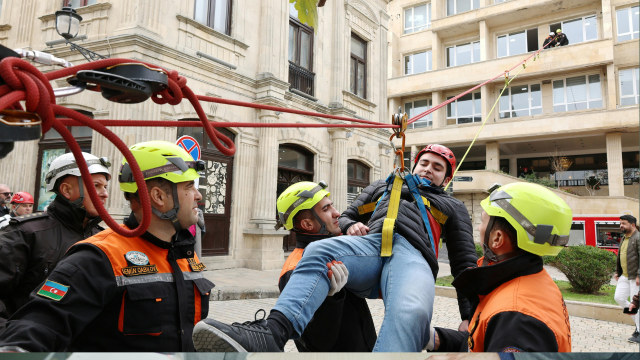
First-aid training continues to change as medical evidence, technology and workplace practices develop.
Greater alignment with updated resuscitation evidence
The Resuscitation Council UK Guidelines 2025 introduced several changes and a dedicated First Aid chapter.
This gives trainers a new evidence base for subjects such as cardiac arrest recognition, choking and life-threatening bleeding.
Providers should keep course materials under review rather than continuing to teach outdated procedures indefinitely.
Increased emphasis on AED access
AEDs have become increasingly visible in workplaces and public spaces.
Current UK guidance encourages widespread availability and makes clear that no formal training is required before somebody can use an AED.
Training still has value because familiarity can improve confidence and reduce hesitation.
More attention to life-threatening bleeding
HSE’s 2024 revision of its workplace guidance placed increased emphasis on life-threatening bleeding.
Where an employer’s needs assessment identifies that kind of hazard, additional equipment or training may be appropriate.
This is particularly relevant to workplaces involving machinery, blades or other potentially severe trauma risks.
Mental health within the needs assessment
HSE’s current guidance also asks employers to consider support for people experiencing mental-health issues when assessing first-aid needs.
This does not automatically make a mental-health-first-aid certificate mandatory.
It means employers should consider mental health as part of their overall arrangements and decide what support is appropriate to their workplace.
Blended learning
Digital learning can make theoretical material more flexible.
Learners may study concepts online before participating in instructor-led practical training.
This can work well where course design preserves meaningful practical teaching and assessment.
Fully online awareness training should not simply be assumed to prove hands-on competence because the learner has watched the correct procedure.
Scenario-based practice
Real emergencies rarely unfold as neatly as textbook questions.
Practical courses can increasingly use realistic scenarios that require learners to assess, communicate and respond rather than merely recall facts.
This approach is particularly relevant to emergency response training, because stress and uncertainty are part of real incidents.
Key Takeaways
UK workplace first-aid provision should be based on the employer’s actual needs rather than selecting a course by title alone.
In Great Britain, the Health and Safety (First-Aid) Regulations 1981 underpin workplace provision. Northern Ireland has separate 1982 Regulations with a broadly comparable needs-based framework.
EFAW normally provides one-day emergency first-aid training, while FAW offers broader three-day training for workplaces requiring more extensive capability.
Ordinary first-aid providers are no longer “approved by HSE”. Employers are responsible for selecting a competent provider and checking that the training matches their requirements.
FAW and EFAW certificates normally last three years, with annual refresher training strongly recommended.
Practical skills matter. CPR, AED use, casualty assessment and emergency response cannot be demonstrated adequately through passive online learning alone.
First-aid courses can support professional development, but they do not automatically qualify somebody as a health and safety adviser, trainer, paramedic or other specialist professional.
FAQ
What are first aid training courses?
First aid training courses teach people how to provide immediate assistance when somebody becomes injured or suddenly ill.
Workplace programmes can include casualty assessment, CPR, AED use, choking, bleeding and other emergency situations.
Course scope varies. EFAW provides emergency first-aid capability, while FAW covers a wider range of workplace injuries and illnesses.
Why should I study first aid?
First-aid knowledge can help you respond more confidently when an emergency occurs.
In a workplace, becoming appropriately trained may allow you to act as a designated first aider where your employer has identified that requirement.
The skill is also useful outside work, although training does not turn a learner into a healthcare professional.
Which first aid course is best?
The best workplace course depends on the employer’s first-aid needs assessment.
A lower-hazard workplace may identify EFAW as appropriate, while a higher-risk environment may require FAW or additional specialist training.
St John Ambulance, British Red Cross and other competent providers currently offer workplace courses.
Compare practical assessment, provider competence, course content and how well the programme addresses the risks in your workplace.
What skills are required for first aid?
Core skills include recognising emergencies, assessing the situation safely, seeking help, performing CPR, using an AED and responding appropriately to choking and bleeding.
First aiders also need calm communication and the judgement to recognise when something is beyond their competence.
Practical CPR training is particularly important because the physical skill needs practice.
Is first aid training important for workplace safety in the UK?
Yes.
Employers have legal responsibilities concerning first-aid provision, although the exact level of training needed differs between workplaces.
First aid supports workplace first aid readiness after injury or illness occurs. It should work alongside preventive risk controls rather than replacing them.
Which first aid certifications are valuable?
For workplace purposes, the most relevant certificate is one that matches the employer’s needs assessment.
EFAW and FAW are established HSE framework options.
Some courses are delivered as regulated qualifications, while others come through competent independent providers or recognised voluntary aid societies.
A general CPD or online completion certificate should not automatically be treated as equivalent to EFAW or FAW.
What careers are available after first aid training?
First aid can support work in health and safety, security, leisure, education, construction, care and other sectors.
It may also be useful for supervisors and managers.
However, most specialist careers require additional education or professional qualifications. First-aid training alone does not qualify somebody as a paramedic, health and safety adviser or professional first-aid trainer.
Can first aid courses improve workplace safety skills?
Yes, appropriate courses can improve emergency awareness, practical response and confidence.
The strongest training combines knowledge with realistic practical exercises and assessment.
First aid should form part of wider safety development, including risk assessment, emergency planning and relevant health and safety courses.

Conclusion
First aid is a practical workplace capability that can help employees respond when somebody is injured or suddenly becomes ill. Its effectiveness depends on preparation, suitable equipment and competent people rather than merely possessing a certificate.
When selecting first aid training courses UK, employers should begin with their first-aid needs assessment. This determines whether an appointed person is sufficient or whether employees need EFAW, FAW or additional specialist training. Effective workplace first aid should also fit within the organisation’s wider approach to risk prevention and emergency planning.
Courses covering CPR training, AED use and other emergency response training are most valuable when learners have meaningful opportunities to practise rather than only read or watch demonstrations. Certificates should also be represented accurately: HSE does not generally approve ordinary workplace training providers, and an online completion or CPD certificate is not automatically equivalent to practical FAW or EFAW competence.
Training Arena currently offers online workplace-health-and-safety learning containing material on the UK legal framework for first aid, which can contribute to broader awareness alongside other health and safety courses. Where an employer needs somebody to serve as a workplace first aider, however, it should verify that the specific training includes the appropriate practical content, assessment and provider competence required by its needs assessment.
As resuscitation evidence, AED access, blended learning and emergency-response practice continue to develop, keeping first-aid skills current will remain important. The strongest approach is to combine current knowledge with practical training, regular refreshers and workplace arrangements designed around the actual risks employees face.