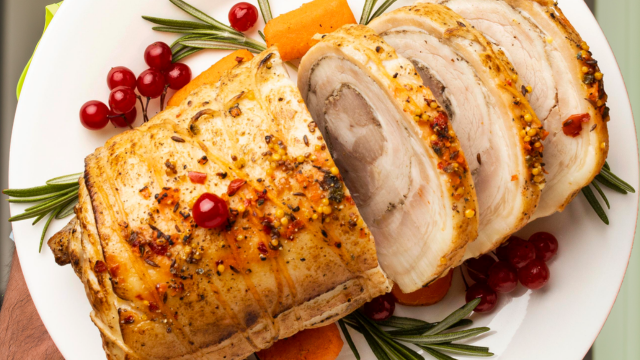

How many times can you reheat food safely? For ordinary UK household leftovers, the clearest answer is once.
After food has been cooked, cooled and refrigerated, reheat only the portion you intend to eat. Make it steaming hot throughout and discard anything left from that reheated serving rather than cooling it for another meal.
The main risk is not created by a mysterious change that happens after a particular number of reheats. It comes from repeatedly moving food through warm temperatures, handling it several times and potentially cooling or storing it incorrectly.
Safe reheating therefore depends on the complete process:
- thorough original cooking;
- prompt cooling;
- safe refrigerated or frozen storage;
- one rapid and complete reheating;
- immediate serving.
The Golden Rules for Reheating
Refrigerate leftovers promptly
Cooked leftovers should normally be cooled and placed in the fridge within two hours. Divide large amounts between shallow containers so that their centres cool more quickly.
Ordinary refrigerated leftovers should be eaten within 48 hours or frozen. The refrigerator should ideally keep food between 0°C and 5°C.
Reheat until steaming hot throughout
Food should be thoroughly reheated rather than gently warmed.
Check the middle, thickest part and areas close to bones. A hot plate, bubbling edge or crisp surface does not prove that the centre is ready.
A clean thermometer reading of approximately 75°C at the coldest point is a useful practical benchmark. UK commercial guidance also recognises equivalent treatments such as 70°C for two minutes or 75°C for 30 seconds.
Stir or turn the food
Microwaves can leave cold spots or unevenly heated areas. Stir mixed meals halfway through, turn solid pieces and follow any standing-time or resting instructions.
On the hob, stir frequently and scrape food away from the bottom and sides of the pan to ensure even heating and prevent burning.
Reheat only once
The Food Standards Agency advises that leftovers should only ever be reheated once. Repeated changes between hot, warm and cold conditions give harmful bacteria more opportunities to multiply.
Follow the product instructions
Packaged meals may include tested directions for covering, stirring, standing, defrosting or heating from frozen. A manufacturer’s warning not to reheat a product should always be followed.
The 2-4-4 Rule: Storage Guidelines Explained
The phrase “2-4-4 rule” is used inconsistently online and is not the standard name of a UK Food Standards Agency food-safety or household storage rule. Two different food-safety systems are commonly confused.
The two-hour/four-hour rule
Food Standards Australia New Zealand applies this rule to potentially hazardous food held between 5°C and 60°C:
| Total time outside temperature control | Required action |
| Less than 2 hours | Use immediately or refrigerate again |
| Between 2 and 4 hours | Use immediately; do not refrigerate again |
| More than 4 hours | Discard |
The time is cumulative. Preparation, transport, service and display periods must all be added together.
This is not the default UK household rule. UK FSA guidance is simpler: refrigerate leftovers within two hours and eat them within 48 hours or freeze them.
The two-stage cooling rule
Australian food-business guidance also requires potentially hazardous food to cool:
- from 60°C to 21°C within two hours; and
- from 21°C to 5°C within a further four hours.
This is sometimes informally described as a “2-4” cooling and temperature-control system. It is separate from the rule governing food left outside refrigeration.
What UK households should remember
For a UK household, the practical food storage and safety framework is:
- refrigerate cooked food within two hours;
- use ordinary leftovers within 48 hours;
- keep rice for no longer than 24 hours;
- reheat each portion once;
- discard food left out overnight.
Proper Temperature and Handling
Reheated food should become steaming hot throughout. The FSA describes temperatures between 8°C and 63°C as the danger zone in which bacteria may grow more readily. Food should therefore remain properly chilled or be moved efficiently to a thoroughly hot temperature rather than kept lukewarm.
When using a thermometer:
- clean and disinfect the probe;
- insert it into the coldest or thickest part;
- avoid touching a bone or metal tray;
- test more than one location in a large dish;
- clean the probe afterwards.
For households, approximately 75°C internally is a useful temperature safety check. Food businesses may use specified time-and-temperature combinations under their food-safety procedures.
Reheat food rapidly with a microwave, oven or hob. Do not use equipment designed only to keep food warm as the primary reheating method.
The “Single Portion” Rule
The easiest way to follow the one-reheat recommendation is to store leftovers in individual or single-serving portions.
Instead of putting an entire pan of curry or pasta into one container:
- divide it between several smaller containers;
- mark the cooking or freezing date;
- refrigerate or freeze the portions promptly;
- remove one container when needed;
- reheat it thoroughly;
- discard anything left from that serving.
This prevents the full batch from being reheated whenever one person wants a meal.
The single-portion rule is particularly useful when family members eat at different times or when meals are prepared in advance for work or school.
It also helps food cool faster because smaller, shallow portions lose heat more efficiently than one deep container.
How Many Times Can You Reheat Food in the Microwave?
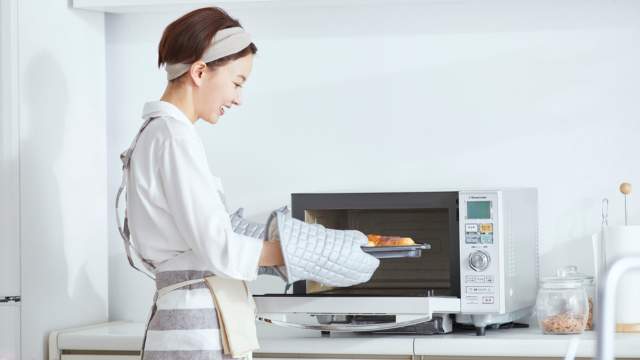
How many times can you reheat food in the microwave? Once.
The appliance does not change the FSA recommendation. A portion reheated in a microwave has used its one reheating cycle.
To microwave leftovers safely:
- use a microwave-safe container;
- spread food evenly;
- add moisture when necessary;
- cover it loosely;
- heat in stages;
- stir or turn it halfway through;
- follow the standing time;
- check that the centre is steaming hot.
Do not microwave a whole container, eat part of it and return the rest to the fridge for another reheating.
If you microwave food and immediately use an air fryer for a brief final crisping stage, that may form one continuous heating process. Allowing the food to cool and reheating it later would create another cycle.
How Many Times Can You Reheat Food Safely?
How many times can you reheat food safely? The recommended household limit is one reheating after the original cooking.
This applies to:
- meat and poultry;
- fish and seafood;
- rice and pasta;
- curries and casseroles;
- soups and sauces;
- takeaway leftovers;
- cooked vegetables;
- egg and dairy dishes.
Some professional manufacturing processes involve several controlled heating stages, but they operate under validated food-safety procedures. That does not change the simple household advice to reheat leftovers once.
How Many Times Can You Reheat Food Before It Goes Bad?
There is no reliable number of reheats that predicts exactly when food will “go bad”.
Food can become unsafe before reheating if it was cooled too slowly, left at room temperature or stored beyond its safe period. Conversely, a properly refrigerated leftover may still look and smell normal when reheated once.
The correct question is not only how many times can you reheat food before it goes bad, but also:
- how quickly was it cooled?
- how long was it refrigerated?
- was it kept below 5°C?
- has it already been reheated?
- was it handled hygienically?
Do not use smell, appearance or a small taste as the sole how many times can you reheat food food safety test. Harmful contamination does not always produce obvious spoilage.
How Many Times Can You Reheat Food on the Stove?
How many times can you reheat food on the stove? Once.
The hob is suitable for soups, sauces, curries, rice dishes and pasta because food can be stirred frequently.
Use low-to-medium heat, add a little liquid if needed and continue stirring until the complete portion is evenly heated and steaming hot.
Changing from a microwave to a stove does not reset the count. The one-reheat recommendation applies to the food, not the appliance.
How Many Times Can You Reheat Food from Frozen?
How many times can you reheat food from frozen? A cooked frozen portion should generally be thawed safely and reheated once.
Defrost it in the fridge or use the microwave’s defrost function. Once fully defrosted, use it within 24 hours. Food defrosted in a microwave should be reheated immediately.
Some commercially prepared meals can be reheated directly from frozen. Follow their tested packaging instructions.
Freezing does not reset an earlier reheating cycle. Food that was cooked, reheated, cooled and then frozen should not be treated as newly prepared food.
There is an important distinction for raw frozen ingredients. Previously frozen raw meat can be defrosted, how many times can you reheat food cooked into a new meal and that cooked meal can then be frozen. The completed meal may subsequently be defrosted and reheated once.
How Many Times Can You Reheat Food and Put It Back in the Fridge?
How many times can you reheat food and put it back in the fridge? You should not plan to do this.
The safest approach is to refrigerate the original cooked food, remove one cold portion and reheat only that amount.
Putting partially eaten reheated food back into the fridge creates several food hygiene and safety concerns:
- it has already undergone its reheating cycle;
- it must cool again;
- it may have been exposed to hands, utensils or saliva;
- another reheating would be required before a later hot meal.
Discard any unwanted reheated portion rather than saving it for another day.
How Many Times Can You Reheat Food in a Slow Cooker?
How many times can you reheat food in slow cooker appliances? A slow cooker should not normally be used to bring chilled leftovers up to temperature at all.
Slow cookers heat gradually, so cold food may remain in the bacterial danger zone for too long. Official food-safety advice recommends using a microwave, how many times can you reheat food oven or hob to reheat leftovers rapidly instead.
Once food is thoroughly reheated, it may be transferred to a preheated slow cooker for hot holding where the manufacturer’s instructions permit it.
Do not place refrigerated curry or stew into a slow cooker in the morning merely to warm slowly for lunch.
How Many Times Can You Reheat Food in a Restaurant?
How many times can you reheat food in a restaurant? A restaurant should follow its documented HACCP-based procedures and the rules applying in its jurisdiction.
Current GOV.UK business guidance states that food should be reheated until steaming hot all the way through and may only be reheated once. Food being kept hot must remain at or above 63°C.
Scottish CookSafe guidance normally requires reheating to a core temperature of at least 82°C, or a validated alternative such as 70°C for two minutes where the higher temperature would harm the food. It also says the finished dish should be reheated only once.
Restaurants should maintain temperature records, use clean probe thermometers and distinguish between reheating equipment and hot-holding equipment.
How Many Times Can You Reheat Food for a Baby?
How many times can you reheat food for baby meals? Once.
Babies and young children are more vulnerable to bacteria that cause food poisoning and foodborne illness. NHS guidance says previously cooked baby food should be reheated only once and made steaming hot throughout before being allowed to cool to a safe serving temperature.
Stir microwave-heated baby food thoroughly to remove hot pockets and test its temperature before feeding.
Take only the amount the baby is likely to eat. Any half-eaten portion should be thrown away because the spoon and saliva may have introduced bacteria.
Never refrigerate or reheat a half-eaten serving.
How Many Times Can You Reheat Food After It’s Been Frozen?
How many times can you reheat food after it’s been frozen? Once after safe defrosting, provided it had not already been reheated before freezing.
A safe sequence is:
- cook the food;
- cool it promptly;
- freeze it in individual portions;
- defrost one portion safely;
- reheat it once;
- eat it immediately.
An unsafe sequence is:
- cook the food;
- reheat it;
- cool it again;
- freeze it;
- defrost it;
- reheat it again.
The second sequence involves repeated reheating and several additional opportunities for bacterial growth or contamination.
Foods to Be Extra Careful With
Rice
Uncooked rice can contain Bacillus cereus spores that survive cooking. If cooked rice is held warm or cooled too slowly, bacteria may multiply and produce toxins that reheating might not destroy.
Cool rice within approximately one hour, refrigerate it immediately, use it within 24 hours and reheat it only once.
Takeaway rice may already have been reheated before sale. When its preparation history is uncertain, how many times can you reheat food it is safer not to reheat it again.
Chicken and other meats
Large chicken pieces, meat joints and food on the bone can remain cool in the middle.
Divide meat into smaller pieces where practical and check the thickest section. The FSA specifically advises reheating only small pieces of meat and reheating cooked meat once.
Seafood
Cooked fish, salmon and prawns can be reheated once when they were refrigerated promptly.
Seafood is highly perishable, so discard it when its storage history is uncertain. Reheat it gently to reduce drying but ensure the centre becomes steaming hot.
Eggs and dairy dishes
Cooked eggs, creamy sauces and dishes containing sour cream can usually be reheated once.
Use moderate heat and stir frequently. Dairy sauces may separate, but the complete meal must still be heated thoroughly.
Baby food
Apply the strict single-portion rule. Reheat once, stir thoroughly, allow it to cool before serving and discard everything the baby does not eat.
Frequently Asked Questions
Can food be reheated twice if it reaches 75°C each time?
The FSA still recommends reheating only once. Reaching a high temperature again does not remove the risks created by another cooling, storage and handling cycle.
Can safely refrigerated leftovers be eaten cold?
Yes. Leftovers can be eaten cold when they were cooked properly, refrigerated within two hours and remain within their safe storage period.
Can I reheat half a meal and save the untouched half?
Yes. Divide the meal while it is still cold, reheat one portion and leave the untouched portion refrigerated.
Can reheated food be kept warm?
Food businesses should generally keep hot food at or above 63°C. At home, serve reheated food promptly rather than leaving it lukewarm.
Does freezing kill bacteria?
Freezing prevents or greatly slows bacterial multiplication but does not necessarily kill all microorganisms. Food still needs safe defrosting, storage and reheating.

Conclusion
So, how many times can you reheat food? For UK households, the safest and clearest rule is once.
Refrigerate leftovers within two hours, use them within 48 hours or freeze them, and divide large batches into single portions. Defrost frozen portions safely and use them within 24 hours.
Reheat with a microwave, oven or hob until the complete meal is steaming hot. Stir, turn or rearrange food and check the centre rather than relying on a hot surface.
Do not use a slow cooker to bring chilled leftovers gradually up to temperature. Apply stricter controls to baby food, rice, meat and seafood, and follow documented food-safety procedures in restaurants.
The one-reheat rule is simple because it reduces dependence on every cooling and storage stage being perfect. Portion the food while cold, reheat only what you will eat and discard anything left from the reheated serving.