
What Temperature Should You Reheat Food to before it is safe to eat? For UK households, leftovers should be reheated until they are steaming hot throughout, with no cold or lukewarm areas in the centre.
When using a clean food thermometer, approximately 75°C at the thickest or coldest point is a useful practical benchmark. However, temperature and time work together, so 75°C should not be treated as the only possible safe standard.
Official UK food-business guidance recognises equivalent heat treatments such as 70°C for two minutes, 75°C for 30 seconds and 80°C for six seconds. Businesses must follow the documented controls in their food-safety systems, while household cooks should concentrate on thorough and even reheating.
Safe reheating also depends on storage. A high final temperature cannot reliably rescue food that was left at room temperature overnight, stored for too long or repeatedly heated and cooled.
Quick Answer: What Temperature Should Food Be Reheated To?
For home leftovers:
- reheat food until it is steaming hot throughout;
- aim for approximately 75°C in the centre when using a thermometer;
- stir, turn or rearrange food so it heats evenly;
- check the thickest or coldest point;
- reheat each portion only once.
For food intended for commercial hot holding:
- reheat it thoroughly using appropriate cooking equipment;
- transfer it to preheated hot-holding equipment;
- maintain it at 63°C or above.
The appliance temperature shown on an oven or air fryer is not the same as the internal temperature of the food.
Why Is Reheating Food Safely Important?
Cooked food can still contain bacteria or become contaminated after cooking. When leftovers are stored or handled incorrectly, bacteria may multiply before the food is eaten again.
The Food Standards Agency identifies temperatures between 8°C and 63°C as the danger zone in which bacteria can grow more readily. Refrigeration slows bacterial growth, while thorough reheating or safe heat treatment helps kill many bacteria that may be present.
This explains why leftovers should either remain properly chilled or be reheated until steaming hot. Simply warming food can move it into a temperature range favourable to bacterial growth without making it thoroughly hot.
Safe reheating is especially important for:
- poultry and meat;
- fish and shellfish;
- cooked rice;
- eggs;
- dairy-based meals;
- casseroles and deep dishes;
- food intended for older people, young children, pregnant people or anyone with a weakened immune system.
Large or dense portions need extra care. A lasagne may bubble around the edges while remaining cool in the middle. Chicken can feel hot outside but stay lukewarm near the bone. Soup may simmer at the bottom of a pan while What Temperature Should You Reheat Food cooler liquid remains near the top.
The temperature should therefore be checked at the centre or thickest point rather than at the surface.
The Recommended Temperature for Reheating Food
People often ask what temperature should food be reheated to or what temp should food be reheated to. The simplest practical household answer is approximately 75°C internally, together with the FSA’s visual standard of steaming-hot food throughout.
When a food thermometer is available, insert a cleaned probe into the coldest or thickest part. Avoid touching a bone, metal tray or the bottom of the container, as these may produce an inaccurate reading.
For a large or unevenly shaped meal, take readings in more than one place. Stir soups, sauces and curries before checking them so the heat is distributed more evenly.
Safe heating time-and-temperature combinations
UK food-business guidance gives several combinations that can provide an equivalent level of heat treatment:
| Internal temperature | Minimum time |
| 60°C | 45 minutes |
| 65°C | 10 minutes |
| 70°C | 2 minutes |
| 75°C | 30 seconds |
| 80°C | 6 seconds |
These combinations demonstrate why the question when reheating food what temperature must be reached does not always have one isolated numerical answer. Both the temperature and the length of time for which it is maintained matter.
For everyday home reheating, What Temperature Should You Reheat Food using 75°C as a straightforward thermometer target avoids having to calculate holding times. Food should still be steaming throughout, because one thermometer reading may miss a cold area.
Household guidance versus business requirements
Home guidance is designed to be clear and practical. The FSA tells consumers to reheat leftovers until steaming hot throughout and to reheat them only once.
Food businesses operate under formal food-safety controls. They may monitor core temperatures, holding times, probe calibration and hot-holding temperatures as part of a HACCP-based system.
Requirements may also differ between UK nations. Food Standards Scotland’s CookSafe system generally uses a reheating core temperature of at least 82°C for relevant businesses, although established alternatives may be used where appropriate.
What Temperature Should Reheated Food Reach?
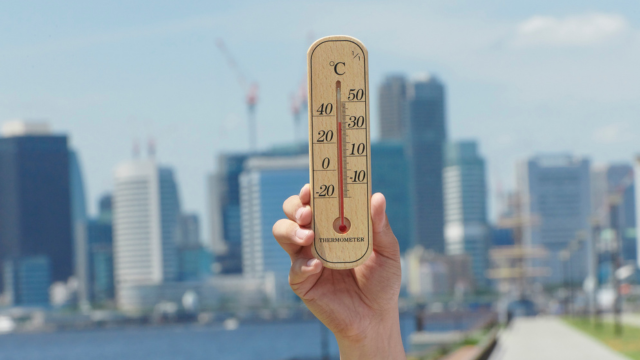
What temperature should reheated food be when it reaches your plate? It should be:
- visibly steaming;
- hot in the middle;
- free from cool spots;
- approximately 75°C internally when tested;
- served soon after reheating.
Do not judge readiness only from the temperature of the plate, container or sauce. Microwave-safe bowls can become very hot even when the food inside is unevenly heated.
Similarly, bubbling around an edge does not mean the centre is ready. Stir mixed dishes and cut into dense foods to check them.
Several search variations ask the same basic question, What Temperature Should You Reheat Food including what temp should you reheat food to, what temp should you reheat food too, what temperature should you reheat food, and what temp should u reheat food. In each case, the practical home answer is to make the food steaming hot throughout, using approximately 75°C at the centre as a useful check.
Key Guidance for Reheating Different Foods
Reheating Food in a Microwave
Microwave ovens are convenient for soups, curries, stews, rice, vegetables and other moist foods. However, they can heat unevenly and leave cooler spots in dense meals.
People asking what temperature do you reheat food in the microwave should distinguish between microwave power and internal food temperature. Microwaves normally use power levels and timings rather than a selected cooking temperature.
The final food should still What Temperature Should You Reheat Food reach approximately 75°C internally or become steaming hot throughout.
For safe microwave heating:
- transfer the food to a microwave-safe dish;
- spread it into an even layer;
- break apart dense clumps;
- add a small amount of water, stock or sauce if necessary;
- cover it loosely with a vented lid;
- heat it in stages;
- stir or turn it halfway through;
- observe the recommended standing time;
- check the centre before eating.
The FSA specifically recommends stirring or turning microwaved food because the edges may become hot while the centre remains cold. Manufacturer instructions covering stirring and standing should also be followed.
Reheating Food in the Oven
An oven works well for casseroles, lasagne, pies, baked pasta, pizza, roast meat and larger portions.
Anyone asking what temp should you reheat food in the oven is usually asking about the oven setting. For many leftovers, approximately 160°C–180°C is a useful starting range, although the original packaging or recipe instructions should take priority.
Place the food in an oven-safe dish. Cover casseroles, meat and pasta with foil to help retain moisture and prevent the outside from burning before the middle is hot.
Remove the foil near the end when you want to restore browning or crispness.
The food itself should reach approximately 75°C internally, helping ensure thorough heating. An oven setting of 180°C does not mean that a deep casserole has automatically reached a safe temperature.
Divide large meals into smaller portions where practical. A smaller portion will usually heat more evenly and quickly than a full family-sized tray.
Reheating Food in an Air Fryer
Air fryers are particularly suitable to pizza, chips, roast potatoes, fried chicken, pastries, breaded foods and other leftovers that benefit from a crisp exterior.
For those wondering what temp should you reheat food in air fryer appliances, approximately 160°C–180°C is a useful general starting setting. The correct setting depends on the model and the food.
Some air fryers have a dedicated Reheat programme. One current Ninja UK model, for example, has a default Reheat temperature of 170°C, but its adjustable range is much wider. This illustrates why the appliance manual should be followed instead of treating one setting as universal.
Place food in a single layer and avoid overcrowding. Turn pieces or shake the basket halfway through.
The crisp surface can become hot long before the centre. Check meat, What Temperature Should You Reheat Food filled pastries and deep foods with a thermometer where possible.
Loose soups, curries and sauces should not be poured directly into an air-fryer basket. Use an approved heat-resistant container only when the manufacturer permits it.
Reheating Food on the Hob
A hob is ideal for soups, stews, curries, sauces, pasta and rice dishes because the food can be stirred throughout the process.
Place the leftovers in a saucepan or frying pan and add a little water, stock, milk, oil or sauce if needed.
Use low-to-medium heat. Very high heat may burn the base before the centre warms properly.
Covering the pan briefly can retain steam, but stir frequently and scrape food away from the bottom and sides. Continue until all parts are steaming hot.
The FSA advises stirring food frequently when reheating it on the hob.
Reheating Meat and Poultry
The question what temp should you reheat meat to has the same practical answer: approximately 75°C internally or What Temperature Should You Reheat Food steaming hot throughout.
Particular care is needed with:
- chicken and turkey;
- pork;
- sausages and burgers;
- minced-meat dishes;
- rolled joints;
- meat on the bone.
Slice large cooked portions into smaller, uniform pieces where practical. Check the thickest area and any meat close to bones.
The FSA advises reheating small pieces of cooked meat because large pieces may dry out in some areas without heating thoroughly elsewhere. Cooked meat should also be reheated only once.
Meat in gravy or sauce generally reheats more evenly than a large dry joint. Add a small amount of liquid and cover lean meat to prevent it drying before the centre is hot.
Reheating Rice
Cooked rice needs careful cooling and storage because bacterial spores may survive its original cooking.
If rice is left warm or allowed to cool too slowly,What Temperature Should You Reheat Food bacteria may multiply and produce toxins. Thorough reheating cannot reliably reverse unsafe storage.
Cool rice as quickly as reasonably possible, refrigerate it promptly, keep it for no longer than 24 hours and reheat it only once.
Break up clumps, add a little water and stir during reheating. Ensure every part is steaming hot.
Takeaway rice may already have been cooked, cooled and reheated by the business. When its previous handling is uncertain, it is safer not to reheat it again.
Reheating Soups, Curries and Sauces
Soups and sauces generally reheat effectively on the hob or in a microwave because they can be stirred.
Use moderate heat and stir from the bottom. Thick sauces may appear to bubble while cooler sections remain in the middle.
Continue until steam rises throughout the dish and the contents are evenly heated. If using a thermometer, What Temperature Should You Reheat Food stir first and test more than one location.
Reheating Casseroles, Lasagne and Pies
Dense dishes usually need longer and should be divided into smaller portions.
Cover a casserole or lasagne during most of its oven reheating time, then uncover it briefly if browning is desired.
For pies, What Temperature Should You Reheat Food check the filling rather than only the pastry. Pastry can become hot and crisp while the centre remains lukewarm.
Reheating Fish and Seafood
Cooked salmon, white fish and prawns can normally be reheated once when they were refrigerated promptly.
Use moderate oven heat, a covered pan or short microwave intervals. Seafood can dry out rapidly, but texture should not be prioritised over thorough reheating.
Discard seafood when its storage history is uncertain or What Temperature Should You Reheat Food it has been left outside refrigeration for too long.
What Temperature Should You Warm Up Food To?
The phrase what temperature should you warm up food can be misleading because safe reheating involves more than simply warming.
Food should be heated efficiently from refrigerated temperature to steaming hot. It should not remain lukewarm for a prolonged period.
Aim for approximately 75°C internally or another recognised time-and-temperature equivalent. Eat it soon after reheating.
Food that was cooked safely and What Temperature Should You Reheat Food refrigerated promptly may sometimes be eaten cold within its storage period. The riskier option is partially warming it without reaching a thorough reheating temperature.
What Temperature Should Food Reach for Hot Holding?
What temp should you reheat food to be hot held? Reheat it thoroughly first, What Temperature Should You Reheat Food using the validated reheating standard required by the business.
After reheating, transfer it immediately to preheated hot-holding equipment and maintain it at 63°C or above.
Hot-holding equipment includes:
- bains-marie;
- heated display cabinets;
- soup kettles;
- hot cupboards;
- heated buffet units.
These appliances are designed to maintain temperature. They should not normally What Temperature Should You Reheat Food be used to heat chilled food slowly.
Official guidance allows food to remain below 63°C for up to two hours in limited business circumstances. After that, it must be cooled safely or discarded. Businesses should follow their documented procedures rather than using this exception routinely.
Avoid Reheating Food More Than Once
UK consumer guidance recommends reheating each portion once only.
Repeated reheating means repeated cycles of:
- handling;
- warming;
- cooling;
- refrigeration;
- reheating.
Each cycle creates another opportunity for contamination or bacterial growth. Reaching 75°C again does not make repeated temperature changes a recommended practice.
Divide leftovers into individual portions before storing them. Remove only the amount you intend to What Temperature Should You Reheat Food eat and keep the remaining food cold.
Do not heat a full pan of food, eat half, return the rest to the fridge and heat it again the next day.
Changing the appliance does not reset the count. Reheating food in a microwave and later crisping it briefly in an air fryer may be treated as one continuous reheating process if done immediately, but cooling it between those stages creates another cycle.
The FSA’s household recommendation is clear: leftovers should only ever be reheated once.
Safe Storage Before Reheating
Temperature at the final reheating stage is not enough. Leftovers must also have been cooled and stored safely.
Place cooked leftovers in the fridge within two hours. Divide large quantities into shallow containers so they cool more quickly.
Eat refrigerated leftovers within 48 hours or freeze them when that will not be possible. Rice should be used within the shorter 24-hour period.
Keep the fridge properly chilled and store cooked food What Temperature Should You Reheat Food separately from raw meat and poultry.
Frozen leftovers should preferably be thawed in the fridge. Follow package instructions when food is intended to be reheated directly from frozen.
Do not reheat leftovers that:
- were left out overnight;
- are beyond their safe storage period;
- have already been reheated;
- have an uncertain temperature history;
- are past their use-by date;
- carry instructions saying they must not be reheated.
Common Reheating Mistakes
Checking only the edges
The centre is often the coldest area. Test dense meals and large meat portions internally.
Using one fixed time for every meal
Microwave and oven times vary according to appliance power, portion size, density and starting temperature.
Failing to stir
Soups, curries, rice and microwave meals need stirring to distribute heat.
Confusing appliance temperature with food temperature
An air fryer set to 180°C does not prove that a chicken breast has reachedWhat Temperature Should You Reheat Food 75°C internally.
Overcrowding the appliance
Food packed tightly in a pan or air-fryer basket may heat unevenly where pieces touch.
Reheating the entire batch
Portion leftovers while they are cold and reheat only what will be eaten.
Relying on smell
Food containing harmful bacteria may look and smell normal. Storage history and temperature control are more reliable indicators.
Frequently Asked Questions
What temperature should food be reheated to?
For UK households, food should be steaming hot throughout. Approximately What Temperature Should You Reheat Food 75°C internally is a useful practical thermometer target.
When reheating food, what temperature must be reached?
Food businesses commonly use 70°C for two minutes, 75°C for 30 seconds or another validated equivalent. Householders can use approximately 75°C and check that every part is steaming hot.
What temperature should reheated food be?
It should be thoroughly hot, with no cold or lukewarm centre. Test the thickest or coldest part.
What temp should you reheat food in the oven?
Approximately 160°C–180°C is a common appliance setting for many leftovers, but the food itself should reach around 75°C internally.
What temp should you reheat food in an air fryer?
Approximately 160°C–180°C is a useful starting range. Follow the appliance manual and check the centre of the food.
What temperature do you reheat food in the microwave?
Microwaves are generally controlled by power and time rather than a selected temperature. The finished food should reach approximately 75°C internally or be steaming hot throughout.
What temp should you reheat meat to?
Reheat cooked meat until steaming hot throughout, aiming for approximately 75°C in the thickest section.
What temperature should you warm up food to?
Do not merely warm it. Reheat it thoroughly until it is steaming hot, What Temperature Should You Reheat Food using approximately 75°C internally as a practical check.
How many times should food be reheated?
Only once under UK household guidance.

Summary
So, what temperature should you reheat food to? For household leftovers, approximately 75°C at the centre is a useful practical benchmark, but the FSA’s principal instruction is to make food steaming hot throughout.
Remember these key rules:
- refrigerate leftovers within two hours;
- use them within 48 hours or freeze them;
- apply a stricter 24-hour limit to rice;
- divide large meals into smaller portions;
- stir microwave and hob-heated food;
- check the coldest or thickest point;
- reheat each portion only once;
- maintain commercially hot-held food at 63°C or What Temperature Should You Reheat Food above.
Microwaves, ovens, hobs and air fryers can all reheat food safely when used correctly. Their settings and cooking times will differ, but the final requirement remains the same: the complete portion must be What Temperature Should You Reheat Food thoroughly hot before it is eaten.